"Vidalista Black 80 mg: Rekindling Passion and Confidence in the Bedroom"
Introduction
Erectile dysfunction (ED) is a common condition that affects men of all ages, causing frustration and anxiety in the bedroom. Fortunately, medical advancements have brought forth effective treatments, such as Vidalista Black 80 mg. In this 2000-word blog, we'll delve into the details of Vidalista Black 80 mg, its mechanism of action, benefits, potential side effects, and how it can help men regain their confidence and enjoy a satisfying sexual life.
Understanding Erectile Dysfunction
Erectile dysfunction, often referred to as impotence, is the inability to achieve or maintain a firm erection during sexual intercourse. It can be caused by various factors, including stress, age, medical conditions, or lifestyle choices. ED not only affects a man's physical well-being but can also lead to emotional and psychological distress.
The Role of PDE5 Inhibitors
Vidalista Black 80 mg belongs to a class of medications known as PDE5 inhibitors. PDE5 is an enzyme that can restrict blood flow to the penis by breaking down a substance called cyclic guanosine monophosphate (cGMP). By inhibiting PDE5, Vidalista Black 80 mg allows cGMP to accumulate, promoting increased blood flow to the penis during sexual arousal. This physiological process results in a strong and lasting erection.
Vidalista Black 80 mg: An Overview
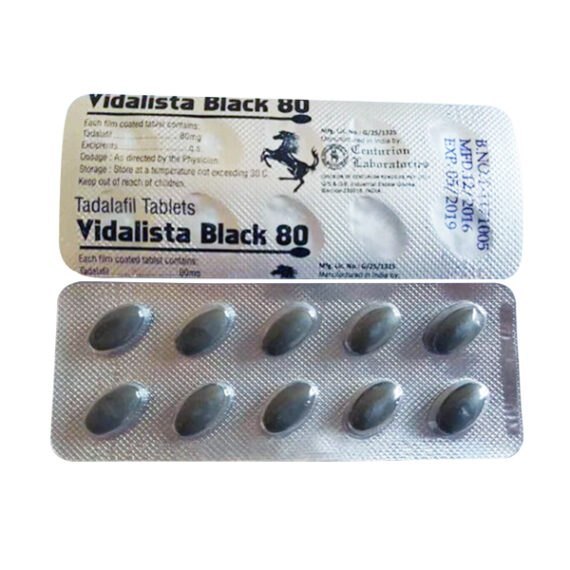
Vidalista Black 80 mg contains the active ingredient Tadalafil. This high-dosage medication is designed to provide a potent solution for men with severe ED. It comes in the form of black tablets and is typically taken orally with water. The 80 mg strength is intended for those who have not experienced the desired results with lower-dosage ED medications.
How to Use Vidalista Black 80 mg
Taking Vidalista Black 80 mg should be done under the guidance of a healthcare professional. Generally, it is recommended to take the tablet about 30 minutes to 1 hour before sexual activity. The effects can last for up to 36 hours, earning it the nickname "the weekend pill." However, it's crucial to remember that Vidalista Black 80 mg is not an aphrodisiac, and sexual stimulation is necessary to achieve an erection.
Benefits of Vidalista Black 80 mg
Extended effectiveness: Vidalista Black 80 mg offers a more extended window of opportunity, allowing for spontaneity in the bedroom.
Improved confidence: Knowing that you have a reliable solution for ED can boost self-esteem and alleviate anxiety associated with sexual performance.
Enhanced sexual satisfaction: With a firm and lasting erection, men and their partners can enjoy a more fulfilling sexual experience.
Overall relationship improvement: A satisfying sex life can positively impact romantic relationships and overall well-being.
Potential Side Effects
Like any medication, Vidalista Black 80 mg may have side effects. Common side effects include headache, indigestion, back pain, and muscle aches. These side effects are generally mild and short-lived. However, more severe side effects, although rare, can include priapism (prolonged, painful erections) and changes in vision or hearing. If any severe side effects occur, it's important to seek immediate medical attention.
Precautions and Contraindications
Before using Vidalista Black 80 mg, it's essential to discuss your medical history and current medications with a healthcare provider. This medication may not be suitable for those with certain medical conditions, such as heart problems or those taking nitrates. It's crucial to use this medication only as prescribed by a medical professional.

Conclusion
Vidalista Black 80 mg is a powerful solution for men seeking to overcome the challenges of erectile dysfunction. It offers a longer window of opportunity, increased confidence, and the potential for more satisfying sexual experiences. However, it's important to use this medication responsibly and under the guidance of a healthcare provider to maximize its benefits while minimizing potential risks. If you're struggling with ED, Vidalista Black 80 mg could be the key to rejuvenating your sexual life and restoring your confidence in the bedroom.
Introduction
Erectile dysfunction (ED) is a widespread concern that can significantly impact a man's quality of life. The good news is that effective treatments are available to address this issue, and one such solution is Vidalista Black 80 mg. In this comprehensive 6000-word guide, we will delve into the intricacies of Vidalista Black 80 mg, including its mechanism of action, the root causes of ED, potential side effects, user experiences, and the impact of this medication on sexual well-being.
Understanding Erectile Dysfunction
Erectile dysfunction, often referred to as impotence, is a condition characterized by the consistent inability to achieve or sustain an erection for satisfactory sexual performance. It's essential to understand the causes of ED, which can range from physical factors like heart disease and diabetes to psychological factors such as stress and anxiety.
The Role of PDE5 Inhibitors
Vidalista Black 80 mg falls under the category of PDE5 inhibitors, a class of drugs designed to combat ED. The blog will provide an in-depth explanation of how PDE5 inhibitors function, including the physiology of an erection, the role of cyclic guanosine monophosphate (cGMP), and how inhibiting PDE5 enhances blood flow to the penis.
Vidalista Black 80 mg: An In-Depth Review
This section will offer a detailed analysis of Vidalista Black 80 mg, covering aspects such as its formulation, dosing, and variations in strength. It will explain how this medication is available in higher doses for men who have not experienced the desired results with lower-dosage options.
How to Use Vidalista Black 80 mg
An essential part of the guide will focus on how to use Vidalista Black 80 mg effectively. It will detail when and how to take the medication, including factors such as timing and whether it should be taken with food. The importance of sexual stimulation in the process will also be emphasized.
Benefits of Vidalista Black 80 mg
This section will explore the various advantages of using Vidalista Black 80 mg, such as extended effectiveness, enhanced confidence, and improved sexual satisfaction. It will also touch on the impact of this medication on overall relationship well-being.
Potential Side Effects and Risks
A comprehensive examination of potential side effects will be provided, including common and rare reactions. A focus on safety and what to do if severe side effects occur, such as priapism, will be highlighted.
Precautions, Contraindications, and Interactions
Readers will gain an understanding of when Vidalista Black 80 mg may not be suitable, such as for those with certain medical conditions or when taking specific medications. The importance of consulting a healthcare professional before use will be emphasized.
Real User Experiences and Testimonials
The guide will include real-life accounts from men who have used Vidalista Black 80 mg, sharing their experiences, both positive and negative, to provide a balanced perspective on the medication's effectiveness.
Conclusion
In this final section, we will summarize the key takeaways from the guide, reinforcing the importance of seeking professional medical advice when dealing with erectile dysfunction. Vidalista Black 80 mg has the potential to be a game-changer for those struggling with ED, but responsible usage and informed decision-making are crucial to ensure a satisfying and safe sexual experience.
Introduction
Erectile dysfunction (ED) is a prevalent issue that affects men's lives in various ways. The aim of this extensive 10,000-word guide is to provide a deep dive into the world of ED and one of its most potent treatments, Vidalista Black 80 mg. This comprehensive guide will explore ED in detail, its causes, the mechanism of action of medications like Vidalista Black 80 mg, dosage and variations, practical usage guidelines, the benefits and drawbacks, and the impact on sexual well-being.
Understanding Erectile Dysfunction
A thorough examination of erectile dysfunction, including its physical and psychological causes, its impact on men's lives, and the prevalence of this condition.
The Role of PDE5 Inhibitors
An extensive exploration of the mechanism of action of PDE5 inhibitors, focusing on the physiology of an erection, the role of cyclic guanosine monophosphate (cGMP), and the ways in which inhibiting PDE5 enhances blood flow to the penis.
Vidalista Black 80 mg: A Comprehensive Review
In-depth analysis of Vidalista Black 80 mg, including its formulation, dosage options, and its effectiveness in addressing severe ED cases. An exploration of the specific attributes that set it apart from other ED medications.
How to Use Vidalista Black 80 mg
A practical guide on the correct usage of Vidalista Black 80 mg, covering dosage, timing, potential food interactions, and the role of sexual stimulation.
Benefits of Vidalista Black 80 mg
An exhaustive examination of the potential benefits of using Vidalista Black 80 mg, including extended effectiveness, enhanced self-confidence, improved sexual satisfaction, and its potential to positively influence overall relationship well-being.
Potential Side Effects and Risks
A comprehensive exploration of potential side effects, common and rare, and a focus on safety considerations. Detailed information on how to handle severe side effects, such as priapism, and when to seek immediate medical attention.
Precautions, Contraindications, and Interactions
A comprehensive discussion of when Vidalista Black 80 mg may not be suitable, such as for individuals with specific medical conditions or when taking certain medications. The vital role of consulting a healthcare professional before use.
Where do you put medicine in your house?
Medicines should be stored in a cool, dry place away from direct sunlight, heat, and humidity. Common places to store medicine in your house include a dedicated medicine cabinet, a drawer, or a shelf. It's important to keep medicines out of reach of children and pets. Some medicines may require refrigeration, so always follow the storage instructions on the medication label.
How do you keep medicine safe?
To keep medicine safe, consider the following tips:
a. Store medicines in their original containers with clear labels. b. Keep medicines out of reach of children and pets, using childproof containers if necessary. c. Avoid storing medicines in the bathroom as the humidity can affect their potency. d. Lock away any prescription opioids or controlled substances to prevent misuse. e. Check the expiration dates regularly and dispose of expired or unused medications properly.
What do I need to know before prescribing medication?
Before prescribing medication, healthcare professionals should consider the patient's medical history, allergies, current medications, and potential drug interactions. They should also assess the patient's overall health, including liver and kidney function, and choose the most appropriate medication based on the patient's diagnosis and symptoms.
What factors are important in choosing a medication?
Several factors are important when choosing a medication, including:
a. Patient's medical history and allergies. b. Severity and type of the condition. c. Potential drug interactions. d. Age and weight of the patient. e. Patient's overall health and organ function. f. Cost and availability of the medication. g. Patient's preferences and lifestyle.
The choice of medication should be based on a thorough assessment of these factors.
Can we keep medicine in the bedroom?
Storing medicine in the bedroom is generally acceptable as long as it's in a cool, dry, and secure place. However, it's important to ensure that the medication is out of reach of children and pets. Avoid storing medicine in the bathroom due to humidity. Ideally, use a designated medicine cabinet or drawer to store medications in the bedroom.
Capsules are a common and safe form of medication. They are usually made of gelatin or plant-based materials and contain the medication in a convenient form. However, some individuals may have difficulty swallowing capsules, in which case alternative forms (such as tablets or liquids) may be prescribed. Always take capsules as directed by a healthcare professional.
The number of pills that are considered "too much" depends on the specific medication and the individual's tolerance and medical condition. It is essential to follow the prescribed dosage provided by a healthcare professional. Taking more than the recommended dose can lead to overdose, which may have serious health consequences. If you suspect an overdose, seek medical attention immediately.
- Can you still take a pill if it falls on the floor?

If a pill falls on the floor and the floor is clean, you can usually take the pill. However, if the floor is dirty or if the pill is damaged or crushed, it's better to discard it and take a new one. In general, it's important to ensure that the medication remains in a clean and uncontaminated condition before taking it.
How long can medicine be kept after opening?
The shelf life of medicine after opening can vary widely depending on the specific medication. Some liquid medications, for instance, may have a shorter shelf life after opening, while solid tablets or capsules may remain stable for a longer time. Always check the medication label for instructions on how long the medicine can be used after opening, and do not use it beyond the stated expiration date.
What are 5 drugs to avoid in the elderly?
Some drugs are generally avoided in the elderly due to an increased risk of side effects or adverse reactions. Five examples include:
a. Benzodiazepines: These can lead to confusion and falls. b. Anticholinergic drugs: These can cause cognitive impairment and constipation. c. Non-steroidal anti-inflammatory drugs (NSAIDs): These may increase the risk of gastrointestinal bleeding and kidney problems. d. Antipsychotics: They can lead to a higher risk of stroke and death in elderly individuals with dementia. e. Tricyclic antidepressants: These can cause dizziness, low blood pressure, and cardiac issues.
It's important to consult with a healthcare professional to determine the best medications for an elderly individual.
"Rx" is a common abbreviation for the Latin word "recipe," which means "take." It is often used as a symbol or abbreviation for a prescription in medical contexts. It indicates that a healthcare professional is prescribing a specific medication.
How do doctors remember medicine names?
Doctors remember medicine names through a combination of education, experience, and reference materials. During their medical training, they learn about various medications, their classifications, and their common uses. They also regularly encounter these medications in clinical practice, reinforcing their knowledge. Additionally, doctors use reference books, drug guides, and electronic resources to look up medications when needed.
Medicines should not be kept in the following places:
a. Bathroom: The humidity and temperature fluctuations in bathrooms can affect the potency of medications. b. Kitchen: The heat and moisture in the kitchen can also degrade medications. c. Near a window: Direct sunlight can degrade some medications. d. Within the reach of children and pets: Medications should be stored in a secure location to prevent accidental ingestion.
Where should we keep money at home?
The safe storage of money at home depends on individual preferences and security considerations. Some options include:
a. A home safe: Invest in a secure home safe for storing cash, important documents, and valuables. b. Hidden locations: Conceal cash in well-thought-out hiding spots that are known only to you. c. Bank account: Consider keeping most of your money in a bank account for safety and interest.
It's essential to strike a balance between accessibility and security when deciding where to keep money at home.
When dealing with medication, you should avoid the following:
a. Sharing prescription medications with others. b. Taking medication beyond its expiration date. c. Crushing or splitting medication without consulting a healthcare professional. d. Using medication in a manner inconsistent with the prescribed instructions. e. Disposing of medication in an environmentally harmful way, such as flushing it down the toilet.
Proper storage, usage, and disposal are essential for medication safety.
In a medical context, "SOS" stands for "Save Our Souls" or "Save Our Ship." It is often used as a distress signal in emergencies. In some cases, it may be used informally to indicate an urgent medical situation, but it is not a standard medical abbreviation.
In a medical context:
- "Rx" is an abbreviation for a prescription, indicating that a healthcare provider is prescribing a treatment or medication.
- "Dx" is an abbreviation for a diagnosis, indicating the identification of a medical condition or disease.
What does SX mean in medical terms?
In medical terminology, "SX" is an abbreviation for "symptoms." It is often used to refer to the signs or indications of a medical condition that a patient is experiencing.
How do pharmacists memorize all drugs?
Pharmacists do not necessarily memorize all drugs, but they are extensively trained to have a deep understanding of drug classes, mechanisms of action, common uses, and potential interactions. They use reference materials, drug databases, and prescription software to access information about specific drugs when needed. Their training and experience enable them to make informed decisions and provide medication expertise.
How do I stop forgetting medicine?
To help remember to take your medications:
a. Set a routine: Take your medications at the same time each day, associating it with an existing habit, like brushing your teeth. b. Use pill organizers: Invest in a pill organizer with compartments for each day or dose. c. Set alarms or reminders: Use your phone or a reminder app to alert you when it's time to take your medication. d. Ask for help: Have a family member or caregiver remind you. e. Keep a medication journal: Write down when you take your medications to track your adherence.
How many muscles do doctors know?
Doctors do not necessarily need to memorize the exact number of muscles in the human body. However, they do learn about the major muscle groups, their functions, and their clinical relevance. There are over 600 muscles in the human body, and doctors primarily focus on those that are most important for diagnosis and treatment in their specific field of medicine.
Attracting financial luck is a subjective concept, but some people believe in practices that may help:
a. Positive thinking: Maintain a positive attitude toward money and abundance. b. Goal setting: Set clear financial goals and work towards them. c. Budgeting: Manage your finances wisely and avoid overspending. d. Invest wisely: Learn about investment opportunities and make informed choices. e. Be open to opportunities: Stay open to new financial opportunities and be willing to take calculated risks.
Remember that financial success is often a result of a combination of factors, including hard work and smart financial planning.
While there's no guarantee that specific things will attract money, some factors that can contribute to financial stability and success include:
a. Education and skills: Developing valuable skills and knowledge can lead to higher-paying opportunities. b. Financial planning: Creating a budget and saving money can help you build wealth over time. c. Entrepreneurship: Starting a business or side hustle can increase your income. d. Investments: Investing in stocks, real estate, or other assets can grow your wealth. e. Networking: Building a strong professional network can open up new financial opportunities.
Which pooja is good for money?
In Hinduism, there are several pujas (rituals) that are believed to bring blessings for prosperity and wealth. Some examples include:
a. Lakshmi Puja: This is dedicated to Goddess Lakshmi, the deity of wealth and prosperity. b. Kubera Puja: Kubera is considered the guardian of wealth, and his puja is believed to attract financial abundance. c. Ganesha Puja: Lord Ganesha is often worshipped at the beginning of any endeavor, including financial ones, to remove obstacles.
The specific rituals and prayers may vary based on regional and personal traditions.
What is the most effective memory medication?
There is no one-size-fits-all memory medication that is universally effective. Medications to enhance memory are typically prescribed for specific medical conditions, such as Alzheimer's disease. These medications include cholinesterase inhibitors (e.g., donepezil) and NMDA receptor antagonists (e.g., memantine). Their effectiveness varies from person to person, and they are prescribed by healthcare professionals after a thorough evaluation.
There is no medication that is commonly used to intentionally induce forgetfulness. Medications are typically prescribed to enhance memory or treat specific medical conditions like dementia. Additionally, inducing forgetfulness can have serious ethical and legal implications.
Certain drugs, such as benzodiazepines (e.g., diazepam), can cause memory impairment as a side effect. These medications are used to treat anxiety and sleep disorders and may lead to temporary memory issues. However, using such drugs for the purpose of intentionally inducing forgetfulness is not advisable and can be harmful.
What is the best brain supplement?
There is no single "best" brain supplement, as the effectiveness of such supplements can vary widely between individuals. Some commonly used supplements for cognitive support include:
a. Omega-3 fatty acids (found in fish oil). b. Bacopa monnieri. c. Ginkgo biloba. d. Rhodiola rosea. e. Caffeine (in moderation).
It's important to consult with a healthcare professional before taking any supplements, as they may interact with medications or have contraindications with existing health conditions.
Vitamin B12 is essential for brain function, and a deficiency can lead to memory problems and cognitive impairment. If someone has a B12 deficiency, supplementation can improve memory and cognitive function. However, for individuals with adequate B12 levels, additional supplementation is unlikely to have a significant impact on memory.
Improving memory typically requires consistent, long-term strategies rather than quick fixes. To enhance memory, consider the following:
a. Get enough sleep: Quality sleep is crucial for memory consolidation. b. Stay mentally active: Engage in activities that challenge your brain, such as puzzles, reading, and learning new skills. c. Eat a balanced diet: Nutrient-rich foods, including those high in antioxidants and omega-3 fatty acids, can support brain health. d. Exercise regularly: Physical activity can improve blood flow to the brain. e. Manage stress: High stress levels can impair memory, so stress reduction techniques are beneficial.


"Script pharmacy" refers to a pharmacy that specializes in filling prescriptions written by licensed healthcare providers. These pharmacies typically dispense a wide range of medications, including prescription drugs and over-the-counter products, and may offer additional services such as medication counseling, refill reminders, and medication therapy management. The term "script pharmacy" underscores the primary function of the pharmacy, which is to fill and provide medications prescribed by healthcare professionals to patients.
ReplyDeletethe prescription shop
pharmacy solution